Leg Pain When Walking? 7 Signs It Could Be Vascular Disease
Orlando Vascular Surgery Team
Leg pain when walking can have many causes, from muscle strain to joint problems, but it can also signal poor blood flow in the legs. For adults and active seniors, understanding the difference matters because leg vascular disease can affect comfort, mobility, and overall health. At Vascular Surgery & Vein Care Center, we help patients understand their symptoms and provide comprehensive treatment options for vascular disease.
Leg pain when walking can signal poor circulation when it appears with activity and eases with rest. It may relate to peripheral artery disease or vein disease, especially when paired with swelling, skin changes, varicose veins, coldness, numbness, or slow-healing foot sores.
What does leg pain when walking mean?
Leg pain when walking means the muscles, joints, nerves, arteries, or veins may be under stress during activity. When the cause is vascular, the issue involves blood flow. Arteries carry oxygen-rich blood from the heart to the legs, while veins return blood toward the heart.
Peripheral artery disease, often called PAD, happens when narrowed arteries reduce blood flow to the legs. A common symptom is claudication, aching, cramping, heaviness, or fatigue that starts with walking or climbing stairs and improves with rest. The American Heart Association describes peripheral artery disease symptoms using this pattern as a key indicator.
Vein disease works differently. Chronic venous insufficiency means the valves inside the leg veins don't move blood upward efficiently, so blood can pool in the legs. According to the Cleveland Clinic, chronic venous insufficiency can cause swelling, heaviness, aching, visible varicose veins, and skin changes, especially later in the day.
7 Signs It Could Be Vascular Disease
These signs don't prove you have vascular disease, but they are worth discussing with a vascular specialist. Patterns matter. Symptoms that repeat, worsen, or interfere with daily walking deserve attention.
1. Pain or cramping starts after a similar walking distance
Claudication often feels predictable. You may notice leg cramps when walking after the same distance, on the same hill, or during the same grocery trip. The discomfort may affect the calf, thigh, hip, buttock, or foot, depending on where blood flow is limited.
This type of leg pain when walking often eases after a few minutes of rest, then returns when you start walking again. That rest-and-activity pattern differs from many muscle strains, which may hurt to the touch or with movement even when you are not walking. PAD-related symptoms can feel like cramping, burning, aching, tiredness, or heaviness.
2. One foot or lower leg feels colder than the other
A colder foot can happen for many reasons, but if one side is consistently cooler, consider circulation. Arteries deliver warm blood to the lower legs and feet. If flow is reduced, the affected side may feel cooler to the touch.
Coldness is more concerning when it comes with pain, numbness, color change, or reduced ability to walk. Do not use temperature alone to diagnose yourself. Instead, treat it as a clue to share during an exam.
3. Your legs feel heavy, tired, or weak during activity
Poor circulation in the legs doesn't always feel like sharp pain. Some people describe tired legs, weakness, or a heavy feeling that limits their pace. Others feel one leg isn't keeping up with the other.
PAD can cause muscle fatigue because working muscles need more oxygen during movement. Vein disease can also create heaviness, especially after prolonged standing or sitting. A vascular evaluation can help sort out whether symptoms suggest artery disease, vein disease, or another cause.
4. Varicose veins come with aching or throbbing
Varicose veins are enlarged, twisted veins near the skin surface. For some people, they may be mostly cosmetic, but varicose veins can cause leg pain when vein pressure builds. Symptoms may include aching, throbbing, heaviness, burning, itching, or swelling around the ankles.
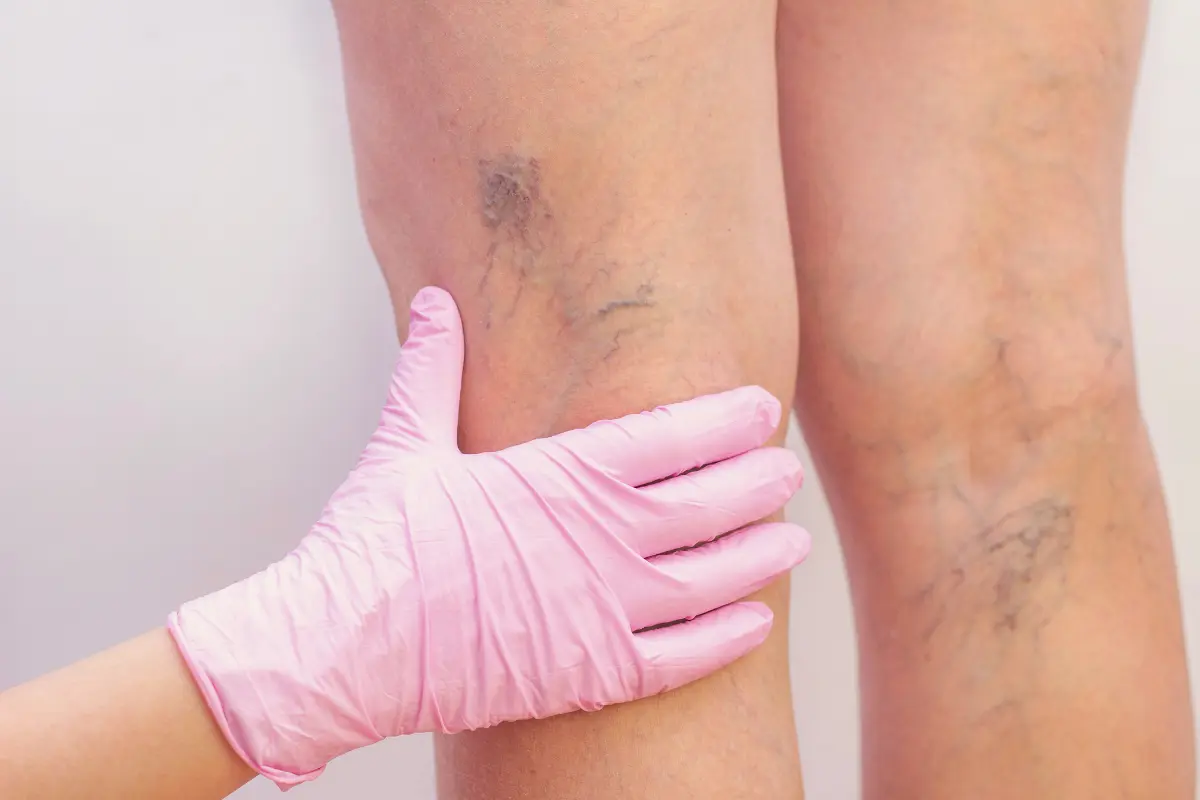
Venous insufficiency symptoms often feel worse later in the day, after standing, or in warm weather. Many people feel temporary relief when they elevate their legs or walk gently. These patterns can help your care team understand what type of circulation issue may be involved.
5. Swelling appears around the ankles or lower legs
Leg swelling can come from vein disease, heart conditions, kidney problems, medication effects, injury, and other causes. With chronic venous insufficiency, blood pooling in the veins can raise pressure and allow fluid to collect in the lower legs.
New, persistent, one-sided swelling that is painful or linked with redness or shortness of breath needs prompt medical guidance. If swelling is gradual and paired with visible veins, heaviness, or skin irritation, a vein evaluation may be appropriate.
6. Skin changes develop on the lower legs or feet
Circulation problems can affect the skin. Artery disease may cause shiny skin, color changes, slow-growing toenails, reduced hair growth, numbness, or sores that heal slowly. Research from the National Heart, Lung, and Blood Institute on vein disease and PAD suggests vein issues may cause brownish discoloration, dryness, itching, thickened skin, or irritation around the ankles.
Don't ignore skin changes, especially if they are spreading or paired with pain. Skin changes often signal what is happening beneath the surface. Earlier evaluation may help identify the source before symptoms become more disruptive.
7. A sore on the foot or leg is slow to heal
A wound that doesn't heal normally can signal a serious circulation problem. Healthy healing depends on good blood flow, oxygen, nutrition, and infection control. Reduced arterial flow can make it harder for tissues to repair.
Slow-healing sores, open wounds, or signs of infection need timely medical attention. This is especially true for people with diabetes, a history of smoking, kidney disease, or known heart and vascular conditions. This article is not a diagnosis, but you should evaluate a nonhealing wound without delay.
How are artery symptoms different from vein symptoms?
Artery symptoms and vein symptoms can overlap, but their patterns often differ. Artery problems usually show up when muscles demand more blood during walking. Vein problems often show up when blood has trouble returning upward, causing pressure, swelling, and heaviness.
|
What you notice |
More common with artery disease |
More common with vein disease |
|
Pain pattern |
Starts with walking and improves with rest |
Worse after standing or sitting |
|
Sensation |
Cramping, fatigue, aching, weakness |
Heaviness, throbbing, aching, burning |
|
Visible clues |
Cool foot, color change, slow healing sores |
Varicose veins, swelling, ankle skin changes |
|
Relief pattern |
Rest may help |
Elevation or movement may help |
This comparison is only a guide. Back problems, arthritis, nerve irritation, tendon issues, and medication effects can also cause leg symptoms. A vascular specialist can use your history, physical exam, and testing to look for circulation-related causes.
What should you do if walking triggers leg cramps?
If walking regularly causes calf, thigh, hip, or foot discomfort, track the pattern and schedule an evaluation. Note where the pain begins, how far you can walk before it starts, how long rest takes to help, and whether one leg is worse. This information helps your clinician determine whether you have claudication or another problem.
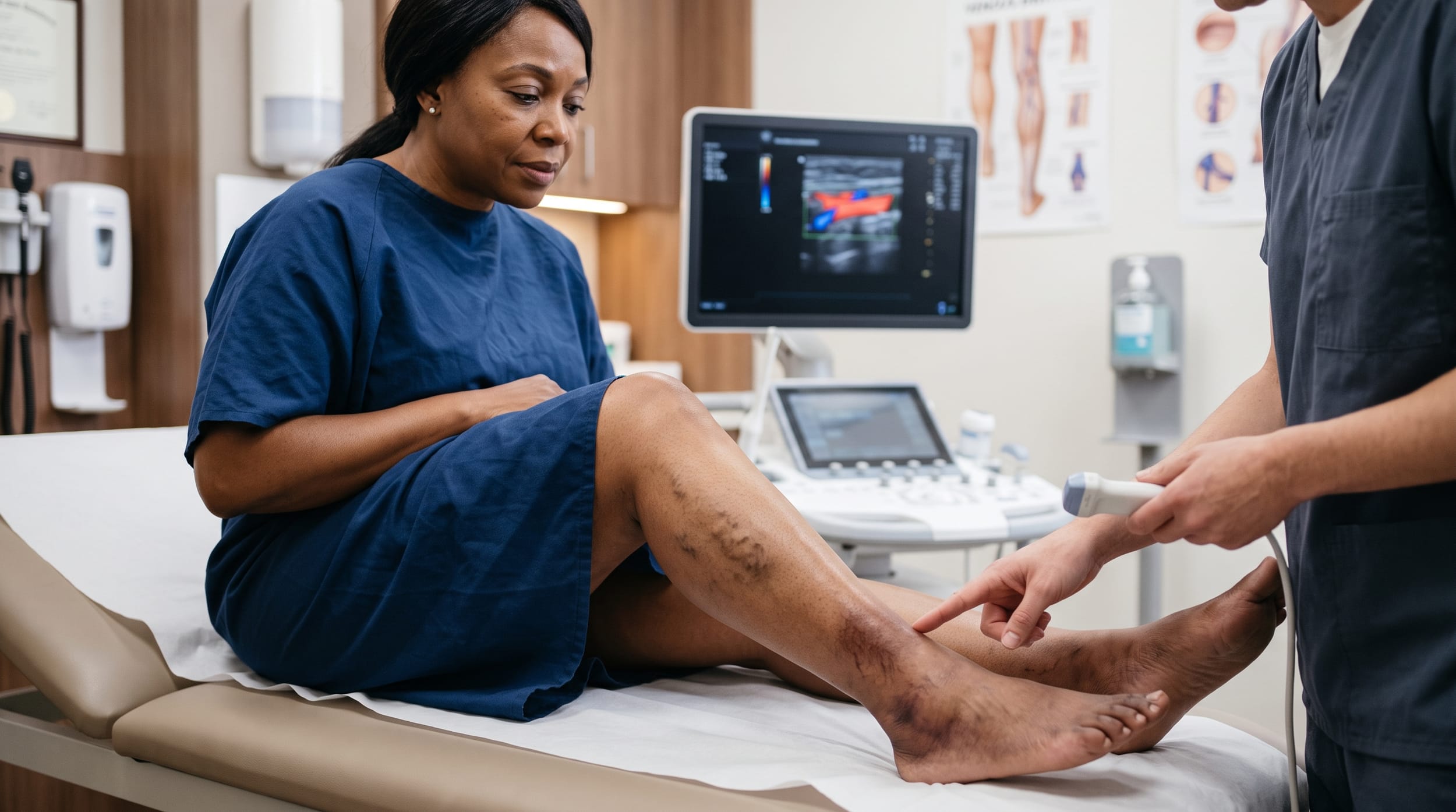
A typical vascular visit may include questions about your symptoms, risk factors, medications, and medical history. The clinician may check pulses in your legs and feet and may recommend ultrasound or an ankle-brachial index. The Society for Vascular Surgery notes that testing leg blood flow with an ankle-brachial index is a simple method that compares blood pressure in the ankle and arm to screen for reduced circulation.
Seek urgent care right away for sudden severe leg pain, a cold or pale foot, sudden weakness, loss of feeling, chest pain, shortness of breath, or signs of a blood clot such as sudden swelling and pain in one leg. These symptoms can be time-sensitive and should not wait for a routine appointment.
Practical steps that support leg circulation
These steps are general education, not a personal treatment plan. Ask a medical professional what is safe for you, especially if you have heart disease, diabetes, neuropathy, wounds, or severe pain.
- Keep moving within safe limits. Regular walking can support circulation, but evaluate new, severe, or worsening pain before pushing through it.
- Avoid tobacco. Smoking and tobacco use are strongly linked with artery damage and reduced circulation.
- Manage blood pressure, cholesterol, and blood sugar. These health factors affect the blood vessels throughout the body, including the legs.
- Check your feet and skin. Look for blisters, cuts, color changes, swelling, or sores, especially if you have diabetes or reduced sensation.
- Elevate legs when swelling is present. Elevation may ease vein-related pressure for some people, although it is not a substitute for evaluation.
- Ask before using compression. Compression stockings can help some vein symptoms, but they may not be appropriate for everyone, especially when artery disease is suspected.
The main point is to avoid guessing. Assess leg pain when walking and signs of vascular disease in context, especially when symptoms recur or limit your normal activities.
Common questions about leg pain and circulation
Can dehydration or low electrolytes cause leg cramps when walking?
Yes, muscle cramps can have nonvascular causes, including dehydration, overuse, medication effects, or mineral imbalance. Recurrent cramps that appear with walking and improve with rest should still be discussed with a clinician because that pattern can suggest claudication.
Are varicose veins always painful?
No. Some varicose veins cause little discomfort, while others are linked with aching, throbbing, swelling, itching, or heaviness. Symptoms and ultrasound findings help determine whether vein disease may be contributing.
Can active seniors still have symptoms of peripheral artery disease?
Yes. Being active is beneficial, but it does not rule out PAD or vein disease. Active adults may notice symptoms earlier because walking, golf, tennis, travel, or exercise makes circulation limits more noticeable.
Should I stop walking if my legs hurt?
Do not ignore pain that is severe, sudden, or unusual. If discomfort is mild and familiar, rest and note the pattern, then ask a medical professional whether a walking plan is safe for you.
Schedule a vascular evaluation in Orlando.
You don't have to decide on your own whether leg symptoms come from muscles, joints, nerves, arteries, or veins. Vascular Surgery & Vein Care Center evaluates circulation concerns in a careful, educational, and patient-focused setting for adults and active seniors in Orlando, Florida.
If leg pain when walking, poor circulation, venous insufficiency symptoms, varicose vein leg pain, or other changes are affecting your routine, schedule an evaluation. An evaluation can help clarify what may be causing your symptoms and what options may be appropriate for your situation.
Have questions about your vein health?
Our Orlando care team is here to help. Schedule an evaluation to find out what’s going on and what your options are.